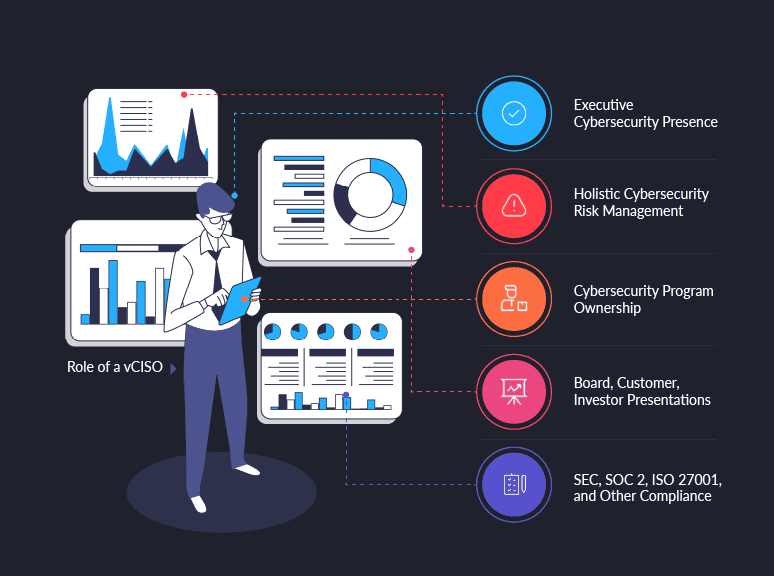
The rise of the “virtual CISO” was supposed to solve a real problem: most organisations between 50–500 employees cannot justify a full-time CISO, yet face board-level accountability for cyber risk.
In practice, many vCISO models have simply recreated the same governance gaps boards were trying to close.
The uncomfortable truth about most vCISO engagements
Traditional vCISO offerings typically focus on:
- Policy development
- Control reviews
- Security roadmaps
- Advisory outputs
What they often fail to deliver is governance clarity.
From a regulatory perspective, advice without accountability is not governance.
As enterprise risk frameworks such as COSO ERM make clear, risk oversight requires:
- Clear ownership
- Decision authority
- Review cadence
- Evidence of challenge
Advisory activity alone does not meet this threshold.
Why regulators remain unconvinced
Post-incident investigations increasingly examine:
- Who owned cyber risk
- Who approved risk acceptance
- Whether decisions were revisited
- Whether the board received decision-ready insight
A common failure mode is the absence of decision records. Advice was given, but decisions were never formally made or captured.
This creates personal exposure for directors and senior managers.
The RockSec360 vCISO model
RockSec360 deliberately separates:
- Risk leadership (governance, ownership, decision-making)
from - Security delivery (controls, tooling, operations)
Our vCISO capability is platform-led and governance-first:
- Named risk ownership
- Quantified exposure
- Decision capture and review
- Continuous board assurance
vCISO should reduce risk - not redistribute liability.
➡️ The Cyber Risk & Compliance ScoreCard shows whether your current model truly supports board accountability.